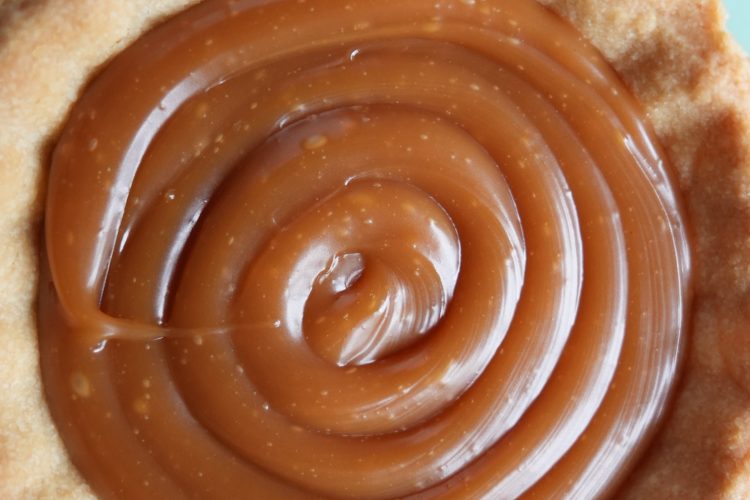
Salted caramel is more than just sugar and butter, it’s about balancing sweetness, salt, and a rich, toasted flavor. By carefully melting sugar until it turns amber, then adding butter and cream, you get a glossy, silky sauce that carries warmth and depth. The pinch of flaky sea salt sharpens the flavor, bringing out the natural buttery notes and subtle bitterness of caramelized sugar.
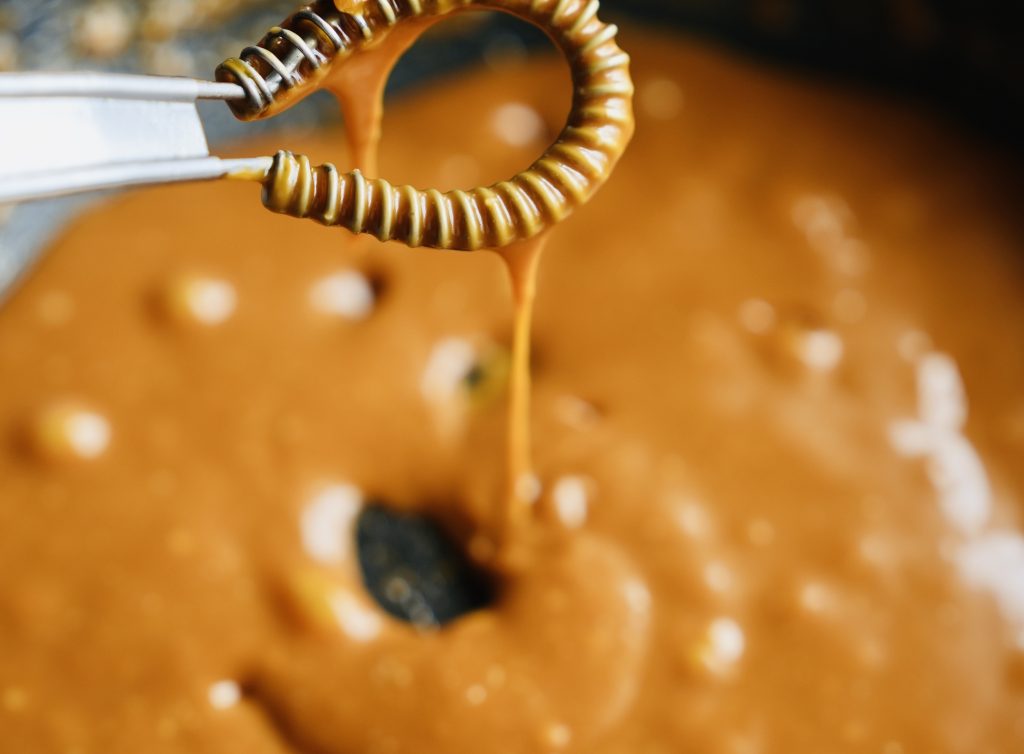
Making salted caramel seems very easy, yet it is all about balance, technique, and timing. Using a heavy-bottomed pan helps prevent burning, while warming the cream before adding it ensures a smooth, silky sauce. Careful attention to caramelizing the sugar and whisking in butter and cream creates a glossy, stable consistency. Adding salt at the end enhances flavor without compromising texture, and optional touches like vanilla or a splash of liquor can deepen the taste. With proper cooling and gentle reheating if needed, homemade salted caramel delivers a rich, buttery flavor that elevates desserts from simple to extraordinary.
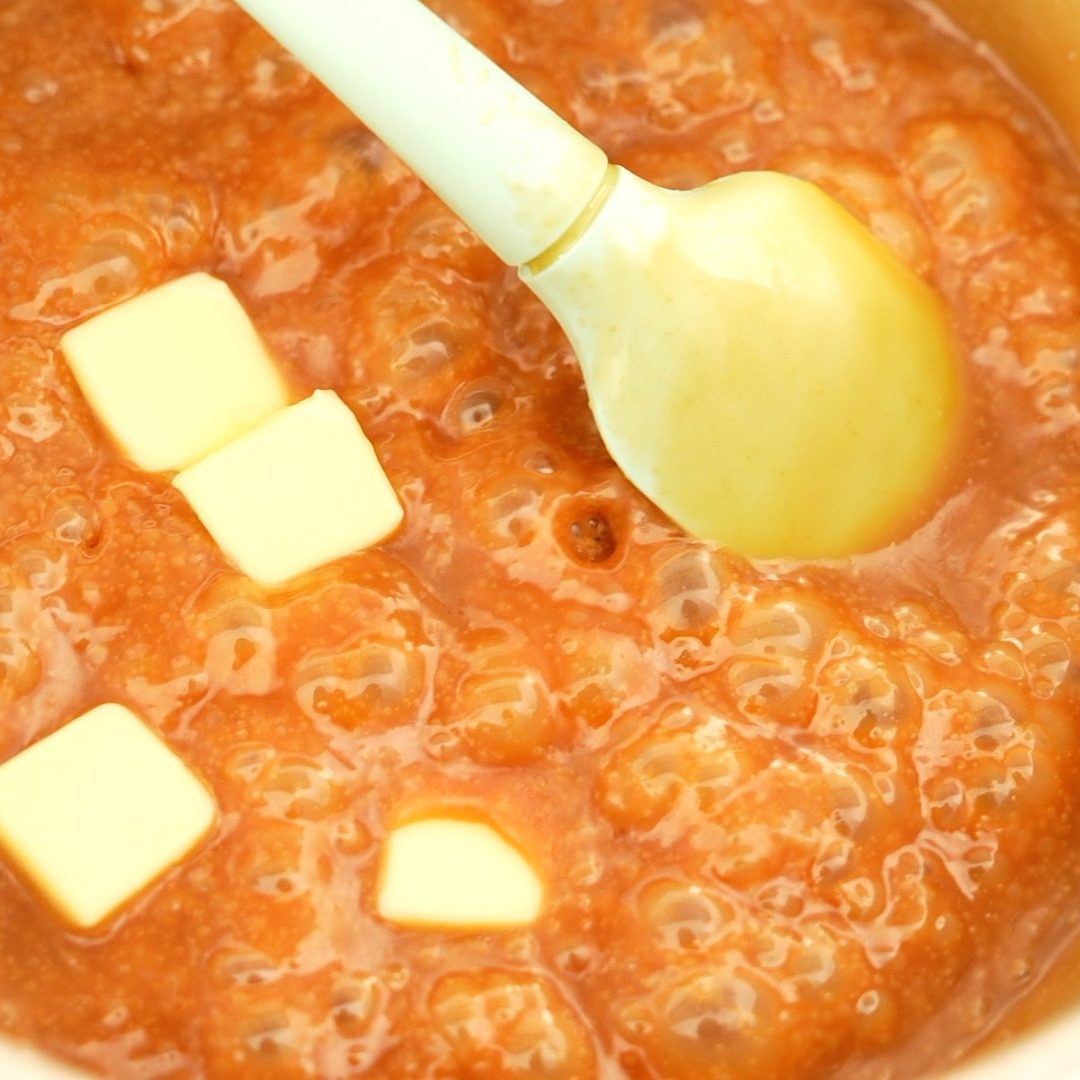
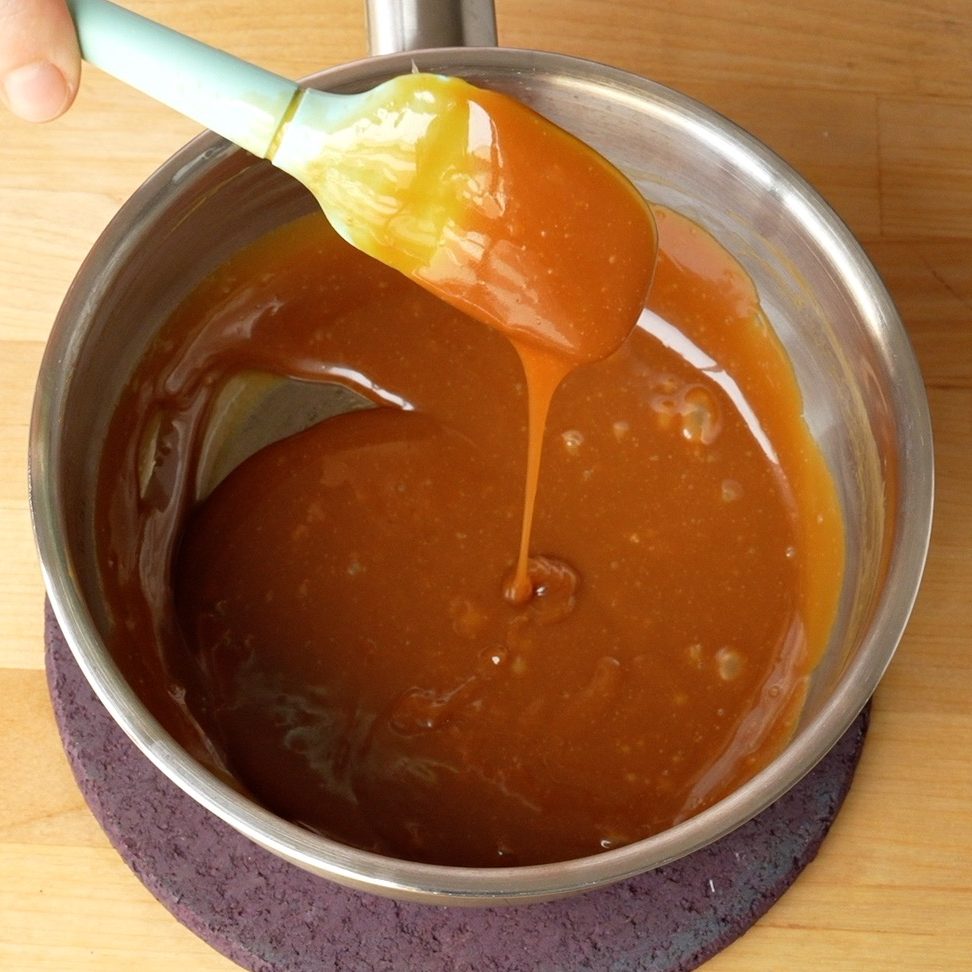
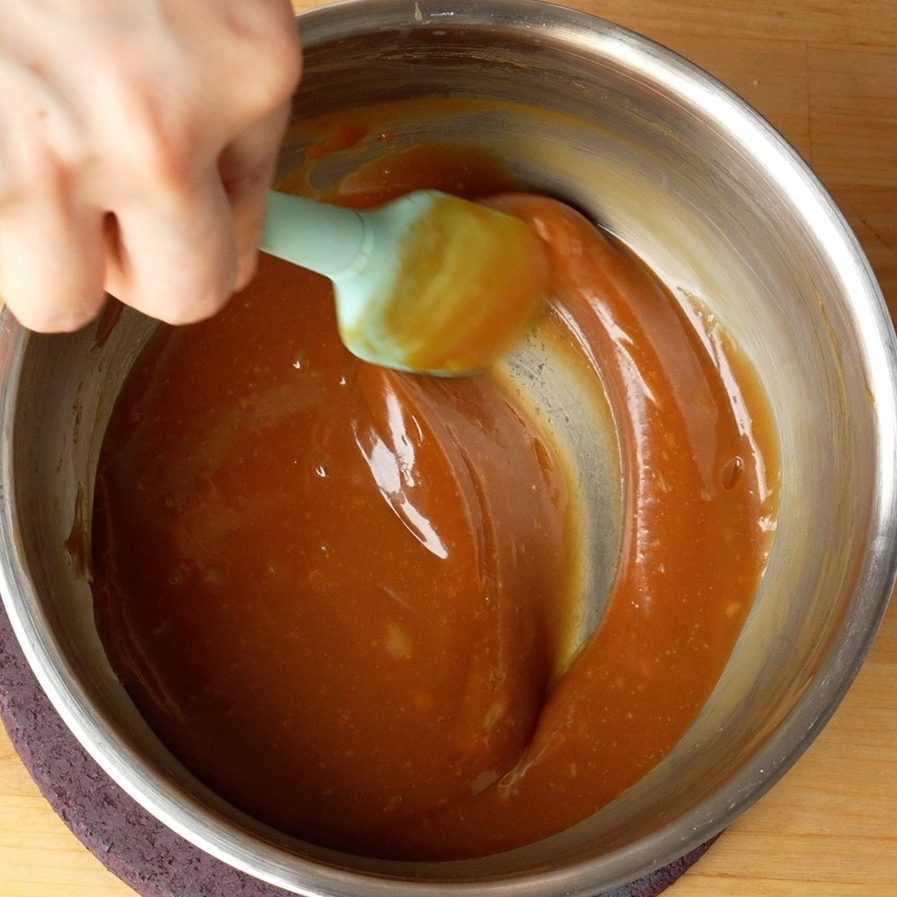
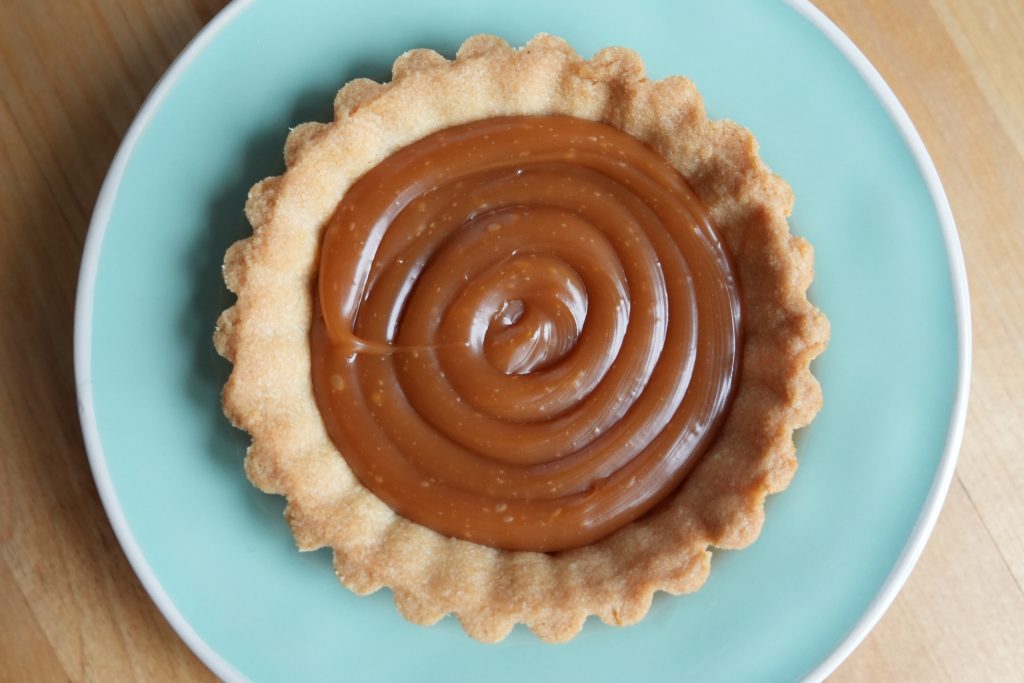
What makes homemade salted caramel special is that you can control every element: cook it a little longer for a darker, more intense flavor, adjust the salt to taste, or leave it more saucy for drizzling or firmer for candy. Its versatility is unmatched: use it as a filling, topping, or even folded into mousses and creams. Once you make it yourself, you’ll notice the difference in flavor and texture compared to store-bought caramel.
If you enjoy making caramel, you can also try hazelnut or pistachio praline recipes!
Watch the recipes in action on the FırınForno YouTube channel and follow FırınForno on Instagram for daily posts!
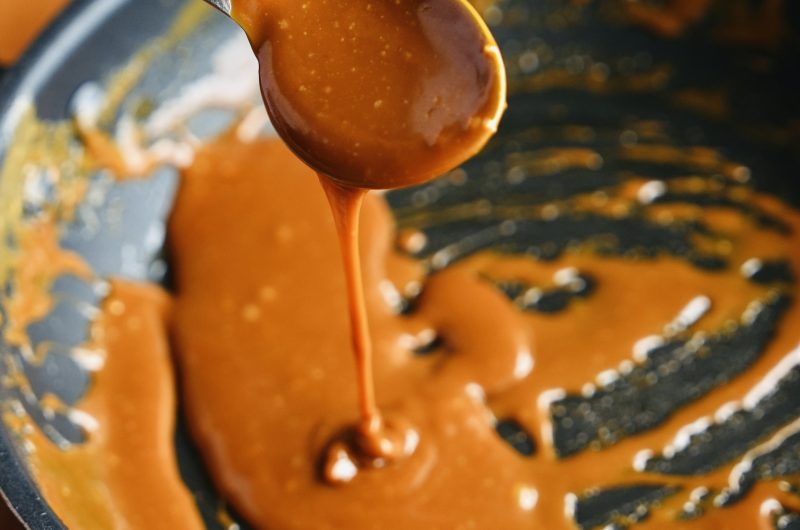
Salted Caramel
Course: DessertDifficulty: Easy5
minutes10
minutes1,442
kcalIngredients
165 g cream
135 g sugar
50 g butter
2 g (Maldon) salt
Directions
- Caramelize the sugar: Place the sugar in a heavy-bottomed saucepan over medium heat. Cook for 5–6 minutes, swirling occasionally, until it melts completely and develops a deep amber color. Watch carefully to avoid burning (see notes below).
- Warm the cream: Gently heat the cream in a separate pan or in the microwave until warm but not boiling.
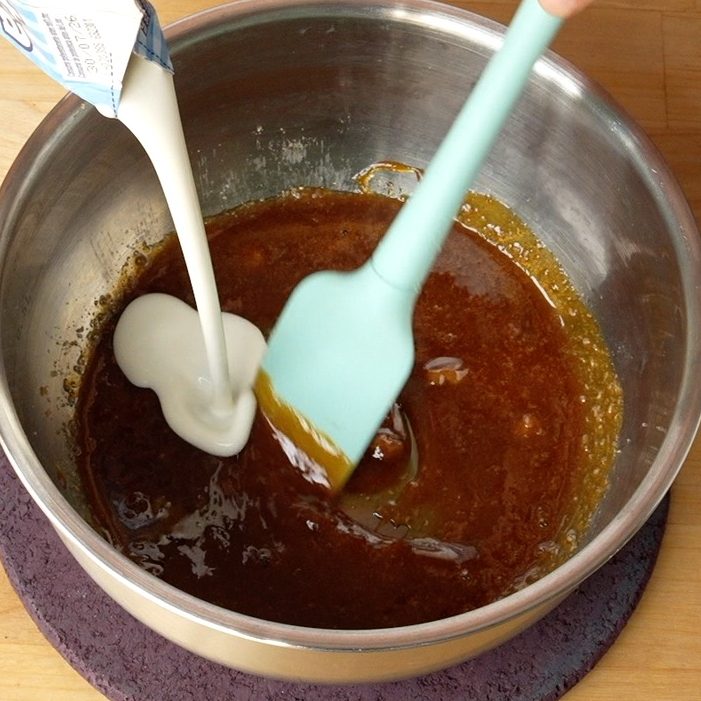
- Add the cream: Slowly pour the warm cream into the caramel while whisking constantly. This ensures a smooth, stable sauce and prevents the caramel from seizing.
- Incorporate the butter: Reduce the heat slightly and carefully add the butter. Whisk continuously for 2–3 minutes until fully melted and emulsified with the caramel.
- Finish with salt: As soon as the cream is fully incorporated, remove the pan from heat and stir in the flaky sea salt.
- Cool: Allow the salted caramel to cool to room temperature before using, or store in the refrigerator for later use.
Notes
- Use a heavy-bottomed pan: This distributes heat evenly and prevents sugar from burning.
Watch the sugar closely: Sugar can go from amber to burnt very quickly. Swirl the pan instead of stirring early on.
Have butter and cream ready: Add them immediately once the sugar is caramelized to prevent crystallization.
Warm the cream: Cold cream can shock the caramel, causing it to seize. Warm it slightly before adding.
Whisk continuously: When combining butter and cream, constant whisking ensures a smooth, glossy sauce.
Add salt at the end: This preserves the crisp flavor of the salt and avoids affecting the caramel’s texture.
Optional flavor boosts: A splash of vanilla, espresso, or liquor can deepen the caramel flavor.
Cool properly: Let caramel come to room temperature before storing; refrigerate for longer shelf life.
Reheat gently: If your caramel firms up in the fridge, warm it slowly over low heat or in short microwave bursts.
Avoid crystallization: If sugar crystallizes during cooking, add a small splash of water at the start or a tiny pinch of corn syrup to stabilize it.
Watch the recipes in action on the FırınForno YouTube channel and follow FırınForno on Instagram for daily posts!