Italian meringue is the most stable type of meringue used in pastry. This meringue is made by whipping egg whites while slowly adding hot sugar syrup cooked to around 115–120°C. The heat cooks the egg whites during whipping. This creates a firm, glossy foam with excellent structure.
The main difference between meringues comes from how sugar is added. French meringue uses cold egg whites and granulated sugar. The sugar dissolves slowly and the whites remain raw. This makes French meringue light but fragile. It collapses easily and must be baked to become stable. For this reason, it works best for cookies and baked shells, not for toppings or fillings.
Swiss meringue sits between the two. You heat egg whites and sugar together over a bain-marie until the sugar dissolves, then whip the mixture. This produces a smooth and stable foam, but it is softer than Italian meringue. Swiss meringue works well for buttercream, but it does not hold sharp piping as well.
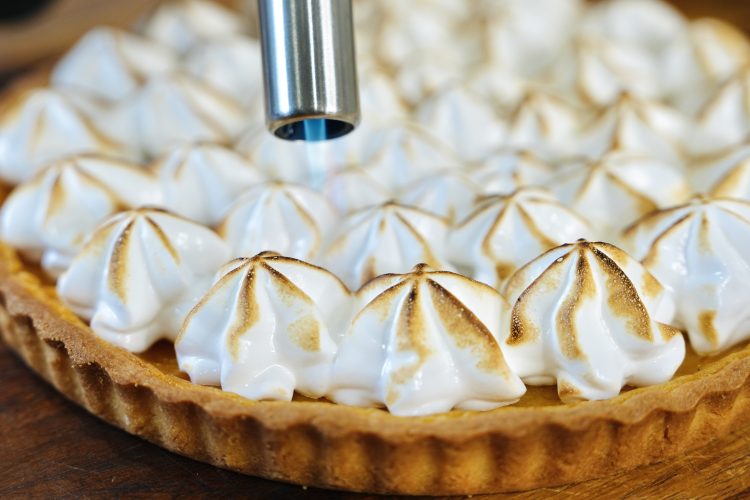
Thus, stability is the key advantage of Italian meringue. It holds peaks for a long time, pipes cleanly, resists weeping. It also tolerates folding and torching better than other meringues. These qualities make it ideal for lemon meringue pie, baked Alaska, mousse bases, and buttercreams. There is also a safety benefit. The hot syrup partially cooks the egg whites. This reduces the risks associated with raw eggs. That is another reason professionals rely on this Italian meringue recipe.
If you want to see what you can create with Italian meringue, click here to watch the video on FırınForno Youtube.
Understanding how to make different meringues helps you choose the right meringue for each dessert. It gives better control, cleaner results, and consistent performance.
Italian Meringue
Course: DessertCuisine: ItalianDifficulty: Medium4-6
servings5
minutes15
minutesIngredients
200 g sugar
125 ml water
4 large egg whites
1/2 teaspoon cream of tartar or lemon juice from 1 lemon (optional)
Directions
- Separate the egg whites into a clean, dry mixing bowl. Ensure no yolk is present.
- Begin whisking the egg whites on medium speed until they reach soft peaks. Add cream of tartar or lemon juice, if using, at this stage. Adding acid provides a more stable result (Learn more about the chemistry behind it from Wikipedia).
- In a small saucepan, combine the sugar and water.
- Heat over medium heat until the syrup reaches 116–120°C (soft ball stage), checking with a thermometer.
- With the mixer running on medium-high speed, slowly pour the hot sugar syrup in a thin stream into the whipped egg whites (Avoid pouring directly onto the whisk to prevent splattering).
- Continue whisking the mixture while it cools to room temperature.
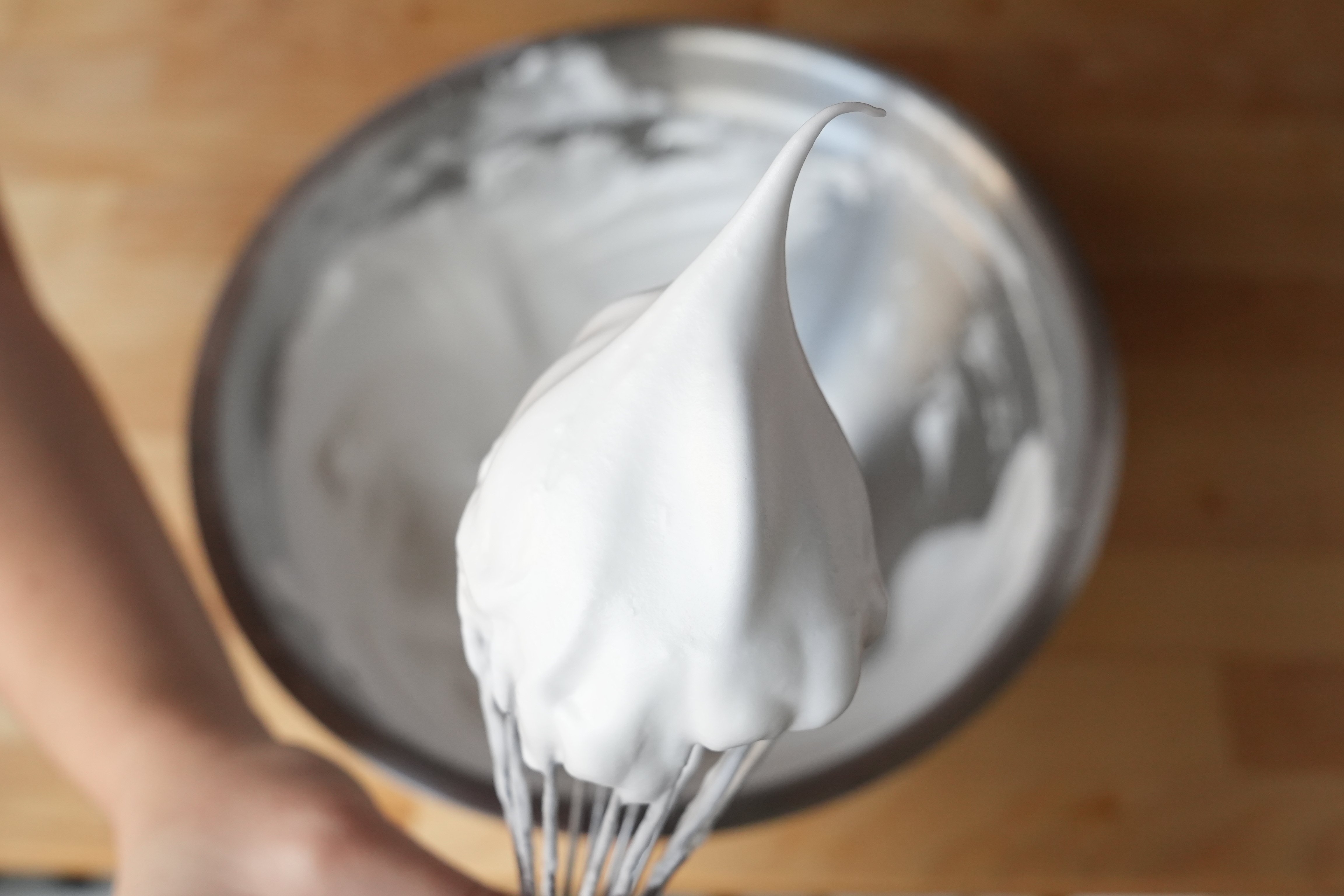
- The meringue should become thick, glossy, and hold stiff peaks when the whisk is lifted (Do not over-whip, over-whipping can collapse the foam).
- Use the Italian meringue for piping, folding into other mixtures, or topping desserts.
- If not used immediately, cover tightly and keep at room temperature for a short period.
Recipe Video
Notes
- Avoid fats and water: Any fat or moisture on tools or bowls will prevent proper foaming.
Room temperature eggs: Eggs at ~21°C whip more easily and evenly.
Do not over-whip: Over-whipping can collapse the foam; maintain medium-high speed for control.
Sugar ratio: A 2:1 sugar-to-egg white ratio enhances stability.
Add an acid: Lemon juice, cream of tartar, or vinegar improves flexibility and reduces collapse risk.
Use fresh eggs: Fresh eggs create a more stable structure than older eggs.
Watch the recipes in action on the FirinForno YouTube channel and follow FirinForno on Instagram for daily posts!