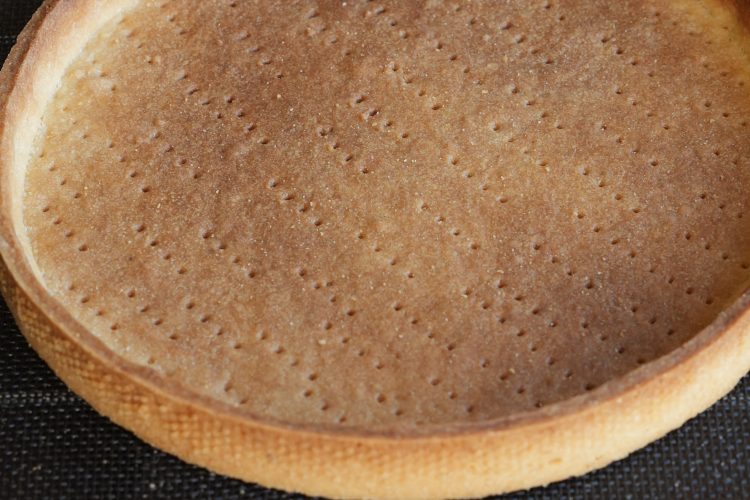
Pâte Sablé, or shortcrust pastry, is a classic French pastry known for its delicate, crumbly texture and rich flavor. Its name, meaning “sandy dough” in French, reflects its high butter-to-sugar ratio. Made using the sablage method (rubbing butter into flour, then adding wet ingredients), it produces a tender, crumbly, melt-in-the-mouth shell.
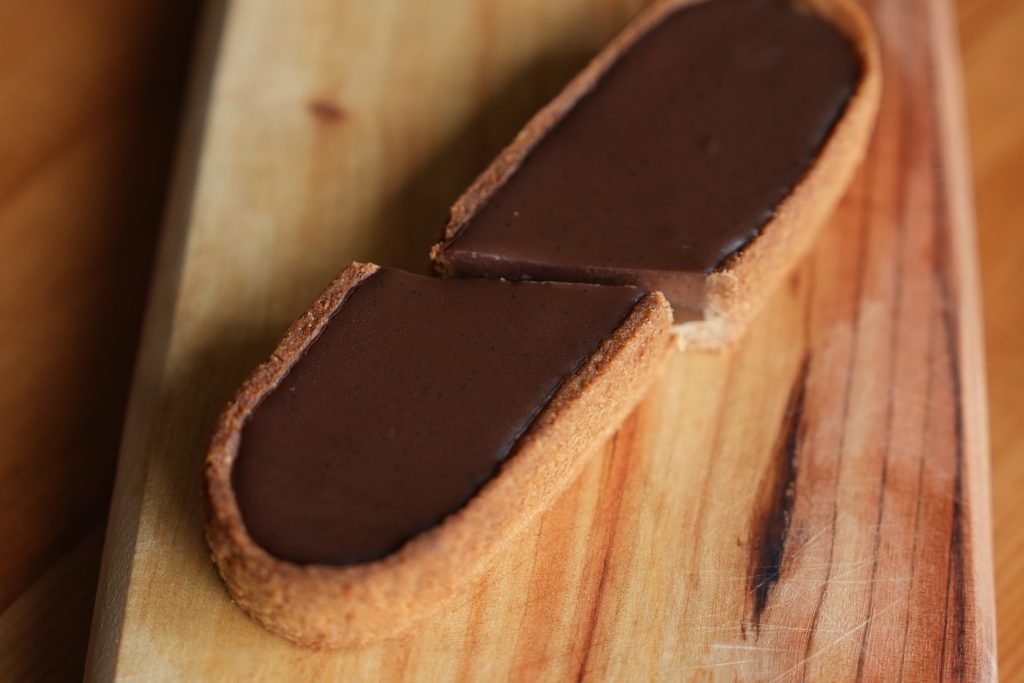
In contrast, pâte sucrée, or French sweet pastry dough, is slightly firmer and cookie-like. It is prepared by crémage method (creaming sugar and butter, adding eggs, and then folding in flour), resulting in a dough that is tighter, easier to roll, and less buttery than pâte sablé.
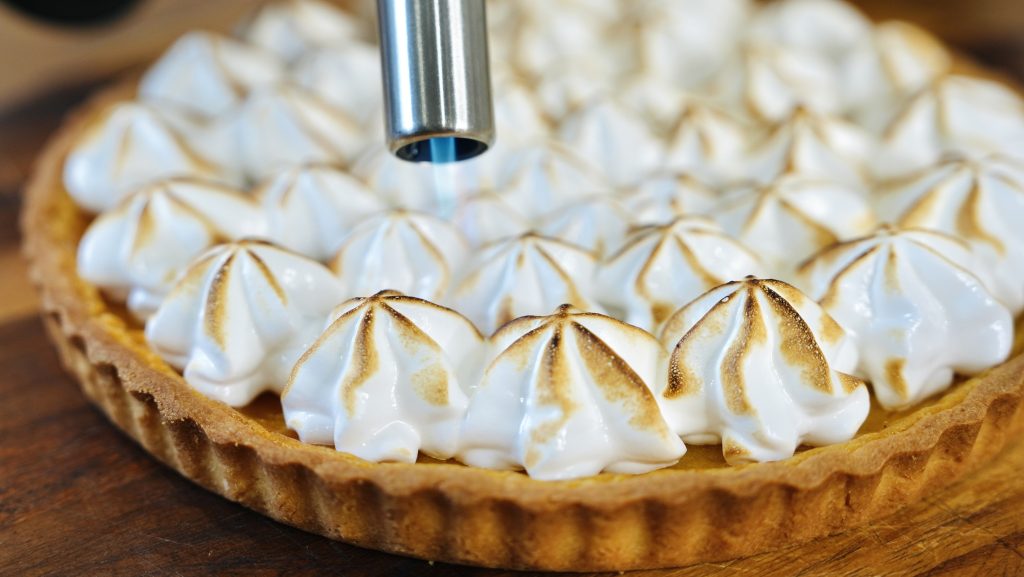
Pastry chefs often use pâte sablé for tarts, cookies, and delicate dessert shells because it holds its shape while providing a crisp yet tender base. This pastry dough offers versatility in both flavor and texture. You can enhance it with nuts, citrus zest, or spices without compromising its structure. When baked, it develops a golden color and delicate crunch that contrasts beautifully with creamy fillings like custards, mousses, or fruit.
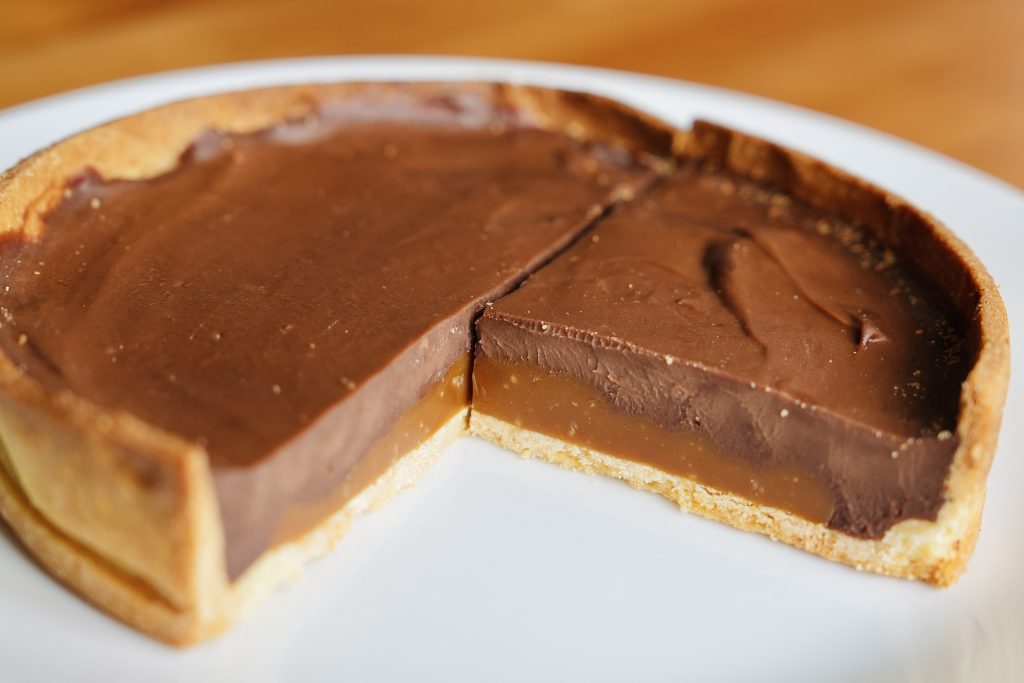
So, choosing the right French pastry dough depends on your recipe. For melt-in-the-mouth, delicate desserts, choose pâte sablé; for structured sweet tarts, opt for pâte sucrée; and for savory quiches, use pâte brisée, which is made with cold water instead of eggs for a flaky crust.
Watch the recipes in action on the FırınForno YouTube channel and follow FırınForno on Instagram for daily posts!
Pâte Sablé (Shortcrust Pastry)
Course: DessertCuisine: FrenchDifficulty: Easy6
servings15
minutes20
minutes2021
kcal60
minutesIngredients
200 g plain flour
120 g unsalted butter
25 g egg
65 g icing sugar
Pinch of salt
25 g ground almond
Directions
- Making the dough:
- Mix the flour, icing sugar, almond meal and salt, then use your fingers to rub the butter in until it resembles breadcrumbs (sablage method) or wet sand that can run through your fingers.
- Add egg and mix through with a rubber spatula until the mixture stiffens to the point you can’t really mix any more
- Now turn the dough out onto a work surface and use your hands to bring it together into a dough. You don’t need to knead it, just bring it together into a smooth ball;
- Shape the dough into a ball then pat it down, wrap with cling wrap, and refrigerate for 30 minutes or even overnight.
- Remove the dough from the fridge and unwrap. If you refrigerated overnight or much longer than 30 minutes and the pastry is rock solid, leave it out for a bit until it softens enough that it can be rolled out.
- Place the dough on a lightly-floured work surface, then sprinkle the dough surface lightly with flour (or in between two baking papers).
- Roll out into 3mm thickness, then portion for your tart mold(s).
- To transfer the pastry into the tart tin, roll the pastry onto the rolling pin, taking care not to stretch the pastry. Stretching the pastry causes shrinkage when it bakes.
- Use your fingers to drape it in and gently coax it into the corners to fill the tart tin, as opposed to pulling or stretching it.
- Drape the excess pastry outside the rim of the tart tin, then roll the rolling pin across the surface to cut the excess off and remove excess pastry (but keep it, in case there’s a patching-up emergency to tend to later!).
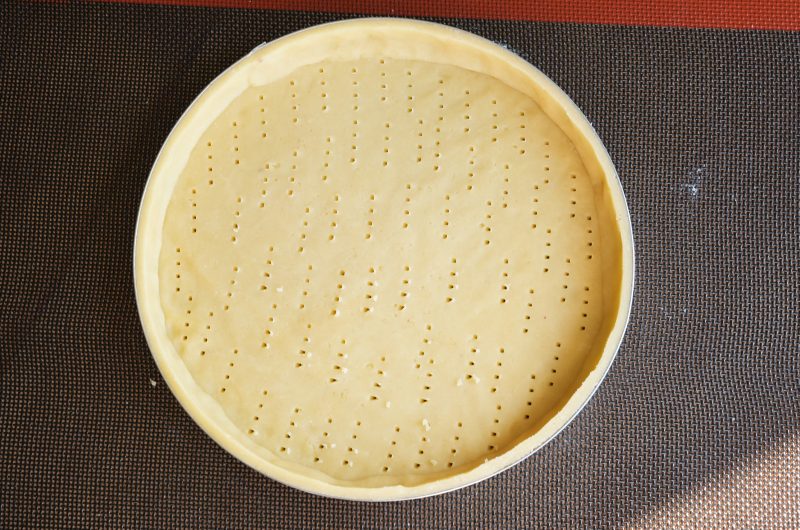
- Prick the base with a fork. This allows steam to escape which stops the base from puffing up, so you have a nice smooth and not a bubbled base.
- Refrigerate for 30 minutes.
- Baking Option 1: Blind Baking
- Cover the dough with parchment paper or foil and fill with baking weights, rice, or dried beans.
- Bake at 180°C (350°F) as follows:
Par-Baked Crust (for tarts that will be baked again after filling):
Bake initially for 15 minutes.
Remove weights (if used) and return uncovered to the oven for a further 5 minutes.
Fully Baked Crust (for tarts that will not be baked again with a filling):
Bake initially for 20 minutes.
Remove weights and return uncovered to the oven for a further 10 minutes. - Fully cool before filling – this will ensure the base stays nice and crispy rather than going soggy.
- Baking Option 2: Without Blind Baking (see the video)
- Use perforated baking mat, tray and tart moulds.
- Prick the base of the dough with a fork to prevent air bubbles.
- Bake in a preheated oven at 180–190°C (350–375°F) until the crust is golden brown, rotating halfway if necessary.
- Let the tart shell cool before adding the filling.
Recipe Video
Notes
- How to prevent pastry dough from rising:
Dock the dough: Prick the base of the tart shells all over with a fork to let steam escape.
Freeze before baking: Line your molds with dough, then freeze solid (30–60 minutes) and bake directly from frozen.
Start baking at a lower temperature: Bake at 150°C (300°F) for the first 10 minutes, then increase to 170–175°C (340–350°F) to finish.
Roll the dough thinner: Roll the pastry to 2–3 mm thickness to prevent it from rising too much.
Use a denser dough recipe: Avoid over-creaming the butter and sugar (mix just until combined) or use Pâte Sablé.
Watch the recipes in action on the FırınForno YouTube channel and follow FırınForno on Instagram for daily posts!